We’re solving one of the biggest problems in oil & gas
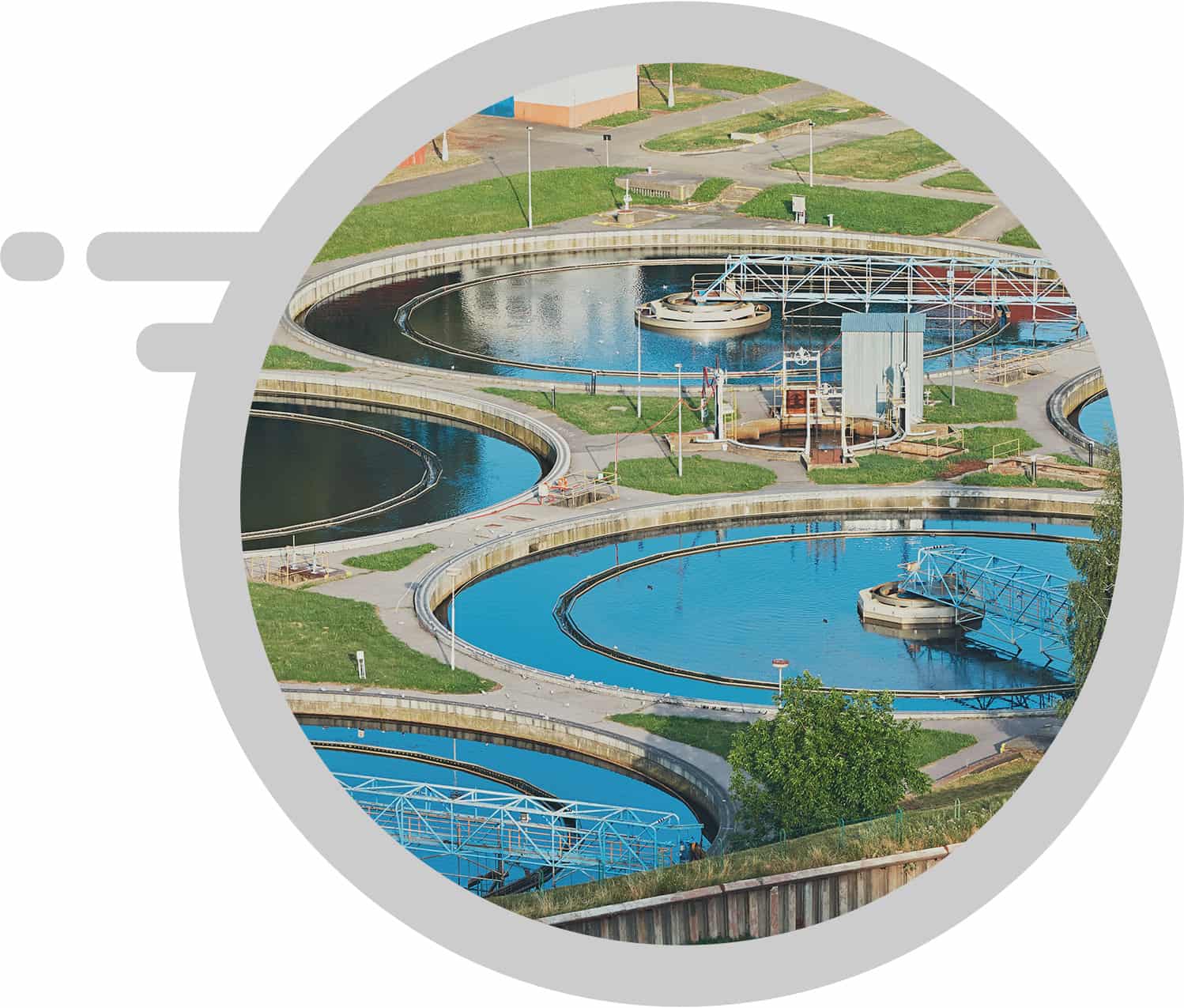
Our patented technology is changing how produced and flowback water is managed, reclaimed, and recycled — on location, at 600 gallons per minute.
- Flow Rate
- 600 GPM
- Form Factor
- Skid Mount
- Separation
- Mechanical
- Deployment
- Mobile or Fixed
Industry Problems
Three costs every operator is fighting
Water is becoming the new frac sand — in expense and in importance to the operation.
Industry Problem
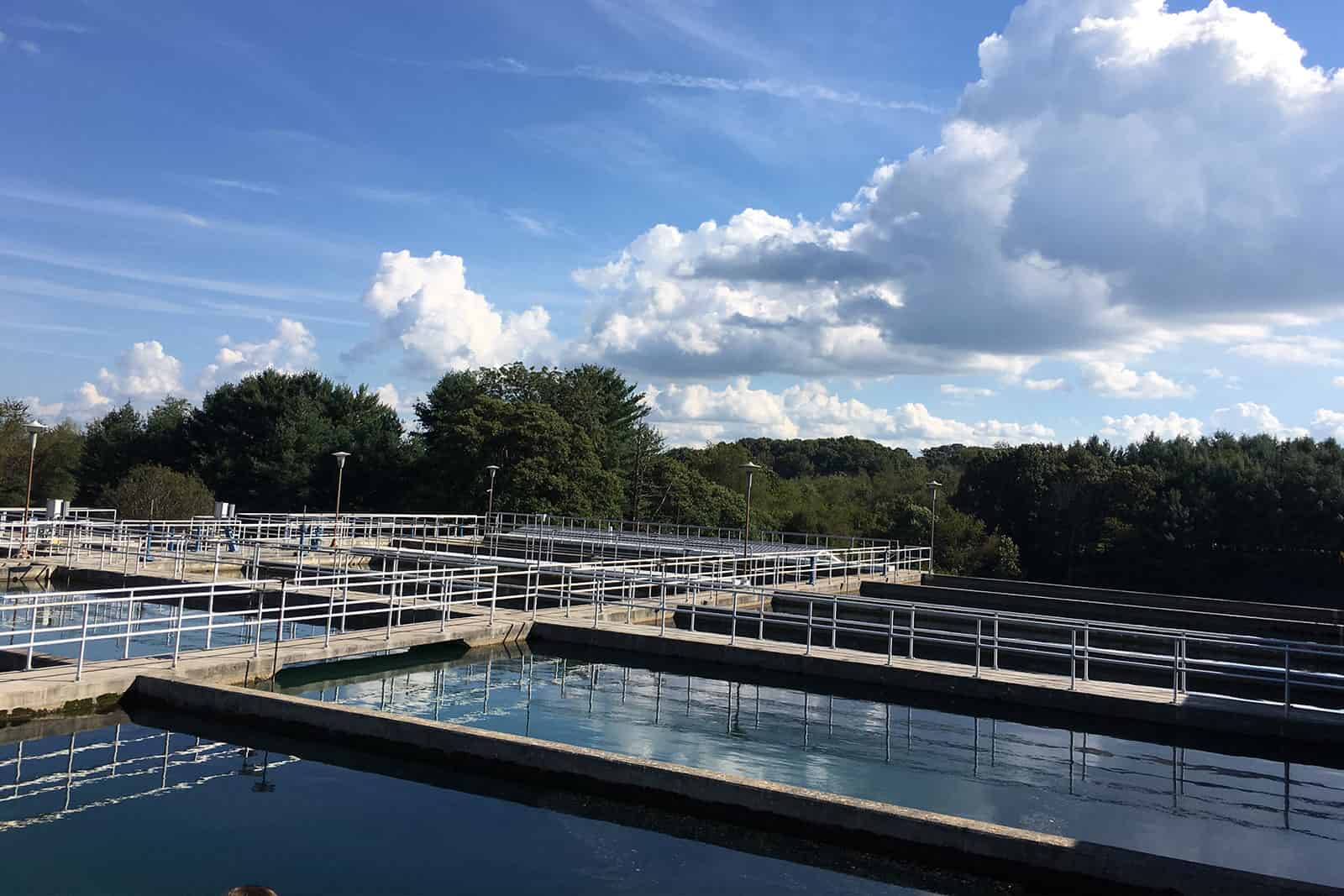
The cost of water is increasing and getting harder to source
Water costs are rising as demand skyrockets. Major water requirements exist through the entire process of completing each well. For every barrel of crude recovered, up to seven barrels of water are produced as flowback water. Water is becoming the new frac sand in terms of expense and importance to the operation.
Our Solution
Turn flowback water into your primary water source
Our patented technology processes waste water to acceptable standards at a recycling facility, a disposal well, or on location. Every barrel recycled is one barrel that does not have to be sourced — which matters most in shale plays with limited access to water pipelines and reserves.
Industry Problem
Disposal cost of waste water is increasing
Once water has been used on a job it must be disposed of according to industry standards, usually via salt water disposal wells. Those disposal costs continue to climb, and treating the water can cost more than trucking it to a disposal well.
Our Solution
Eliminate the trip entirely
We remove the need for water to leave your location for disposal. Once treated to industry-acceptable standards for re-use, it goes straight back to work in the field — cutting demurrage, transportation, and disposal fees out of the equation.
Industry Problem
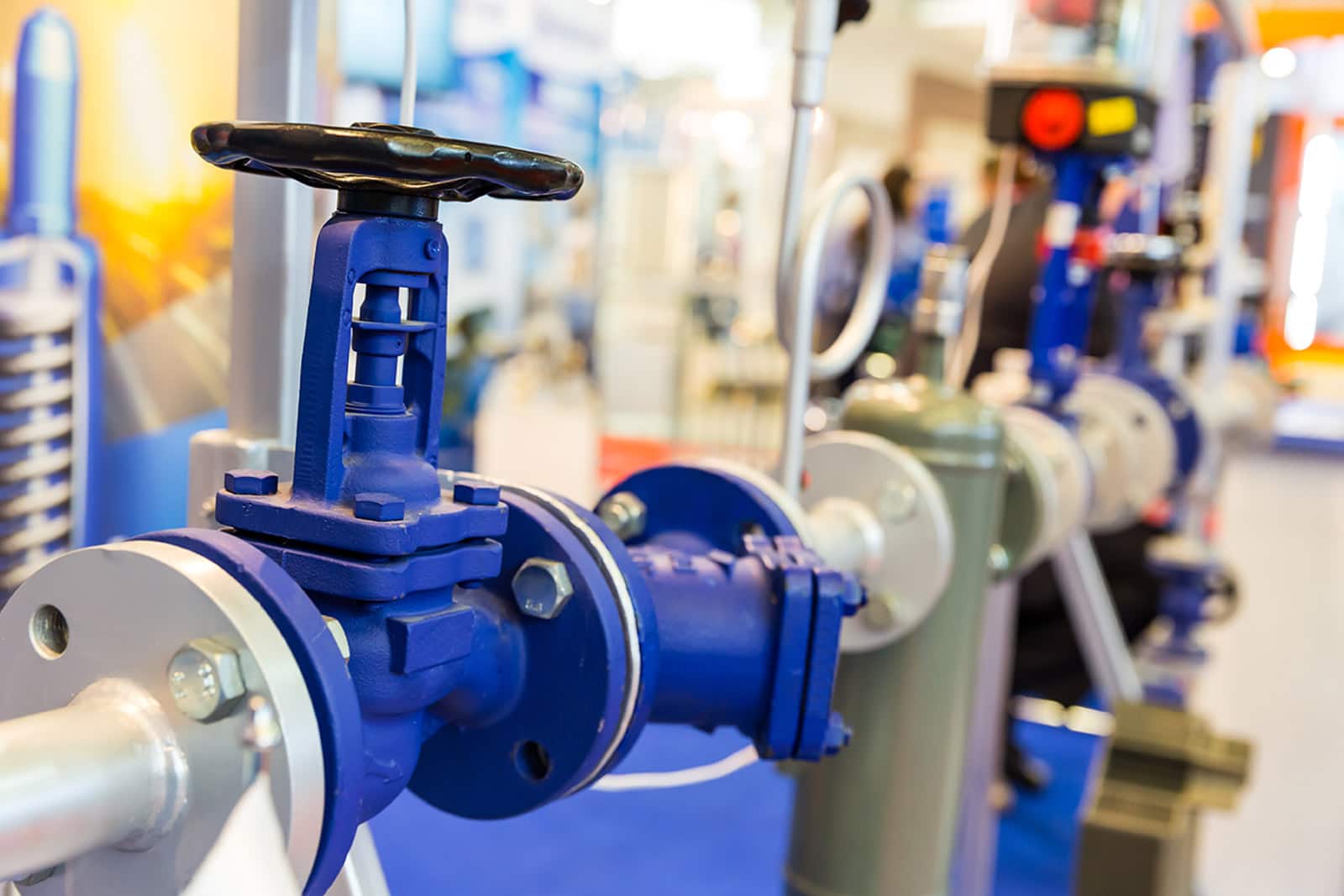
Disposal cost and treatment of drilling mud
You can no longer dig a pit and spread cuttings and excess mud on the ground. Many drillers now use above-ground cleaning and recycling systems, but most recirculating systems cost more than simply transporting and disposing of the mud in a well. The technology has not brought costs down enough to be cost effective.
Our Solution
Recycling drilling mud that finally pencils out
Our breakthrough patented mobile technology makes recycling drilling mud cost effective versus transporting and paying for disposal. And if disposal remains your only option, we significantly lower the volume of solid material being injected into disposal wells.
The Unit
Mobile, mechanical, and built for the field
Skid-mount design
The unit moves between locations, or installs permanently at a recycling facility or disposal well.
Mechanical separation
Purification is mechanical by default. A chemical stage can be added when a customer requires it.
Works with your stack
Runs in conjunction with other treatment technologies rather than replacing them.
Environmental Impact
Built as an answer to the scrutiny
The oil and gas industry's footprint is having a major impact on the environment. The use of chemicals and fracking has increased scrutiny from local, state, and federal bodies alike.
The industry can no longer afford to ignore the concerns of environmentalists or the general public. New regulations are drafted constantly, and they are aimed squarely at oil and gas operations.
Documentaries and news outlets continue to publicize the negative impacts of drilling and fracturing operations, and many communities are protesting over damage to public roads and noise pollution.
Flowback Fluids was created as a solution — reducing truck traffic, reducing injected volume, and turning a waste stream back into a usable resource.

FAQ
Straight answers
What is the quality of the water after it leaves the machine?+
It meets industry standards for the oil and gas sector. It is not designed to produce drinking water.
Is the unit portable?+
Yes. The unit is a skid-mount design and can be moved between locations.
Does the unit use mechanical or chemical separation?+
The unit uses a mechanical separation system to purify the water. A chemical separation system can also be introduced if the customer requests it.
What is the flow rate?+
600 gallons per minute.
Can the unit be used at a permanent facility?+
Absolutely. It can be placed permanently.
Can the unit be used with other technologies?+
Yes. The unit can be used in conjunction with other types of technologies.
Get In Touch
Want to see how much you can save?
Tell us about your operation and we'll come back with the numbers.